- There are no more items in your cart
- Shipping
- Total £0.00
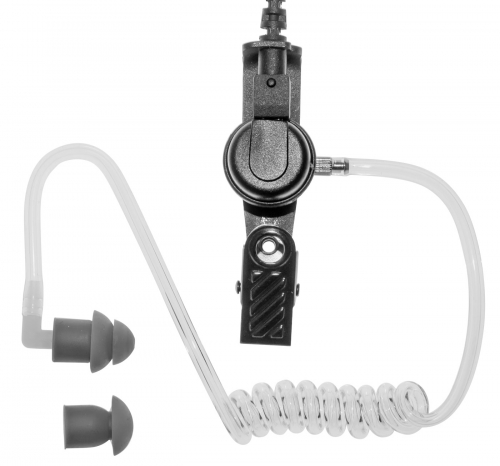
A transducer is the component inside a radio earpiece that converts electrical signals into sound waves you can hear. It sits at the core of every earpiece, determining audio clarity, volume, and overall communication quality. RESOWIRE earpieces modernize this technology by replacing the traditional acoustic tube with a specialized wire that delivers digital sound, improving durability and audio performance.
For decades, radio earpieces have relied on a simple but limited design: a small speaker connected to a clear acoustic tube that channels sound into the ear. This setup works, but it comes with trade-offs — degraded sound quality over time, fragile tubing that cracks or clouds, and audio clarity that leaves something to be desired during high-stakes communication.
At the heart of this system is the transducer, the unsung component responsible for turning electrical signals into audible sound. Whether you're a security professional, event staff member, or law enforcement officer relying on a radio earpiece daily, the quality of this transducer directly impacts how clearly you hear instructions, especially in noisy or high-pressure environments.
This post breaks down what a transducer actually does, why traditional acoustic tube designs have struggled to keep pace with modern communication demands, and how newer solutions like RESOWIRE are changing what's possible for radio earpiece performance.
What does a transducer do inside a radio earpiece?
A transducer is a small electromechanical device that converts one form of energy into another. In the context of a radio earpiece, it converts electrical audio signals — sent from a radio transceiver — into mechanical sound waves that travel through the ear tube and into the ear canal.
Think of it as the translator between your radio and your ear. Without a functioning transducer, a radio earpiece is just a piece of plastic and wire with no way to produce sound.
How transducers work within radio communication systems
When someone speaks into a radio, their voice is converted into an electrical signal and transmitted to the receiving device. The earpiece's transducer takes that electrical signal and vibrates a small diaphragm to recreate the sound wave, which then travels through the acoustic tube (or, in newer designs, a wire) and into the listener's ear.
The quality of this conversion process determines how clear, crisp, and accurate the resulting sound is. A low-quality transducer might distort speech, introduce static, or struggle to reproduce certain frequencies, making it harder to understand critical communications.
Why transducer quality matters for professional and personal use
For professionals who depend on radio communication, such as security teams, event coordinators, or emergency responders, transducer quality isn't a minor detail. It's the difference between hearing a clear instruction and misinterpreting garbled audio in a critical moment.
Even for personal or hobbyist use, a poor transducer results in muffled sound, inconsistent volume, and a frustrating overall experience. This is why manufacturers have spent years refining transducer technology and rethinking how it's implemented in earpiece design.
Why did traditional acoustic tube designs limit radio earpiece performance?
Older radio earpieces have traditionally relied on acoustic tube technology to deliver sound from the transducer to the ear. While functional, this approach comes with several inherent drawbacks.
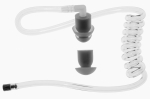
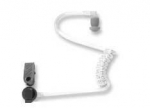
Acoustic tubes are typically made from a thin, flexible clear plastic. Over time, they degrade: they crack, discolour, and lose their acoustic integrity, all of which reduce sound quality. They're also prone to picking up ambient noise and providing an unsatisfactory acoustic seal, especially in windy or loud environments.
How acoustic tubes affected sound quality, durability, and comfort
Because acoustic tubes transmit sound purely through air pressure waves, they lose some fidelity in transmission compared to more direct methods. This can mean muddier audio, particularly in the higher frequency ranges where speech clarity matters most.
Durability is another issue. Acoustic tubes are exposed to sweat, oils, and everyday wear, causing them to become brittle and prone to splitting. Once a tube degrades, sound quality drops significantly, often requiring a replacement.
Comfort also suffers over long wear periods. Acoustic tubes can feel bulky or ill-fitting, particularly during extended shifts where a radio earpiece might be worn for eight or more hours at a time.
Reimagining earpiece technology for modern communication needs
These limitations have pushed manufacturers to explore alternatives to the acoustic tube. Instead of relying purely on air-based sound transmission, newer designs incorporate digital wire technology that transmits sound more directly and reliably, without the same vulnerability to environmental wear.
How does RESOWIRE reinvent transducer technology in radio earpieces?
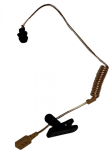
RESOWIRE earpieces represent a shift away from the traditional acoustic tube model. Instead of channelling sound through a hollow plastic tube, RESOWIRE replaces this component with a specialized wire that carries digital sound directly to the ear.
This isn't a minor tweak. It's a fundamental rethinking of how sound travels from the transducer to the listener, addressing many of the durability and clarity issues that have plagued acoustic tube designs for years.
How RESOWIRE's wire-based sound delivery works
Rather than relying on air pressure to move sound through a tube, RESOWIRE's wire carries a digital audio signal directly, reducing the sound degradation and quality loss common in air-based transmission. This results in clearer, more consistent audio, even in demanding conditions.
The advantages of RESOWIRE over traditional acoustic tubes
Because the wire replaces a fragile plastic tube, RESOWIRE earpieces are inherently more durable. They're less prone to cracking, discoloration, or degradation from sweat and weather exposure. The digital sound transmission also improves audio clarity, delivering crisper speech reproduction, particularly important in noisy or high-stakes environments.
What are the key benefits of modern transducer technology in radio earpieces?
Modern transducer advancements, including wire-based solutions like RESOWIRE, offer several measurable benefits over traditional acoustic tube designs:
- Enhanced sound quality and frequency response: Digital sound transmission reproduces speech more accurately across a wider frequency range.
- Reduced feedback and background noise: Wire-based transmission is less susceptible to picking up ambient interference compared to open acoustic tubes.
- Greater durability and weather resistance: Wires hold up better against sweat, temperature changes, and daily wear than plastic tubing.
- Compatibility with digital communication systems: Modern transducers are built to integrate seamlessly with digital radios and communication devices.
- Improved comfort for extended wear: Slimmer wire designs can reduce bulk and improve fit during long shifts.
RESOWIRE vs. acoustic tubes: which is better for radio professionals?
For professionals who wear a radio earpiece for extended periods or in demanding conditions, choose RESOWIRE if long-term durability, audio clarity, and consistent performance matter more than upfront cost. Choose a traditional acoustic tube design if budget is the primary concern and usage is occasional or light-duty.
|
Feature |
Acoustic Tube |
RESOWIRE |
|---|---|---|
|
Sound transmission |
Air pressure through tube |
Digital wire transmission |
|
Durability |
Prone to cracking, discoloration |
More resistant to wear and weather |
|
Audio clarity |
Moderate, can degrade over time |
Consistently clear, sharper speech reproduction |
|
Comfort |
Can feel bulky over time |
Slimmer, designed for extended wear |
|
Best for |
Occasional or light-duty use |
Daily professional use, high-noise environments |
Real-world performance advantages for radio professionals
For security teams, event staff, and other professionals who rely on radio earpieces daily, the difference between an acoustic tube and RESOWIRE's wire technology often shows up most clearly during long shifts or high-noise environments, where consistent audio clarity is critical to safety and coordination.
Cost-effectiveness and longevity considerations
While RESOWIRE earpieces may carry a higher upfront cost than basic acoustic tube models, their improved durability can reduce the frequency of replacements, offsetting costs over time for professionals who depend on their equipment daily.
The future of radio earpiece technology starts with the transducer
Transducers have always been the foundation of radio earpiece performance, but how that sound gets from the transducer to your ear has evolved significantly. Traditional acoustic tubes, while functional, come with real limitations in durability, comfort, and sound quality.
RESOWIRE earpieces address these limitations directly, replacing the fragile acoustic tube with a wire that delivers digital sound more reliably and clearly. For professionals who depend on clear, dependable communication, this shift represents a meaningful step forward.
If you're ready to experience the difference that modern transducer technology can make, explore RESOWIRE earpieces and see how they compare to your current setup.
Frequently Asked Questions
What is a transducer in a radio earpiece?
A transducer is the component that converts electrical audio signals from a radio into audible sound waves. It's the core mechanism responsible for producing sound in any radio earpiece.
How is RESOWIRE different from a traditional acoustic tube?
RESOWIRE replaces the clear plastic acoustic tube with a specialized wire that transmits digital sound directly, improving durability and audio clarity compared to air-based sound transmission.
Are RESOWIRE earpieces more durable than acoustic tube earpieces?
Yes. Because RESOWIRE uses a wire instead of a plastic tube, it's less susceptible to cracking, discoloration, and degradation from sweat, weather, and daily wear.
Who should consider upgrading to RESOWIRE earpieces?
Professionals who use radio earpieces daily, especially in noisy or demanding environments, will likely benefit most from RESOWIRE's improved durability and audio clarity.
Do RESOWIRE earpieces cost more than traditional acoustic tube earpieces?
RESOWIRE earpieces may have a higher upfront cost, but their durability can reduce replacement frequency, making them more cost-effective for regular professional use over time.
(286) (2)
 Whatsapp