
- There are no more items in your cart
- Shipping
- Total £0.00

Clear communication makes or breaks live events. When thousands of people gather for concerts and festivals, the coordination between sound engineers, lighting technicians, stage managers, and security teams becomes crucial for both performance quality and safety. The right communication headset can mean the difference between seamless show execution and costly delays.
Concert venues present unique challenges that standard communication equipment simply can't handle. High noise levels, vast distances between crew positions, and the need for constant mobility require specialised headsets designed for professional event production. Whether you're managing a small music festival or coordinating a stadium concert, having reliable communication tools ensures every cue hits perfectly and every safety protocol gets followed.
This guide explores the best headsets and earpieces for different concert and festival crew roles, comparing wired versus wireless options, and providing practical setup advice to keep your team connected when it matters most.
Why backstage communication headsets matter at concerts and festivals
Live events operate on split-second timing. A missed lighting cue during a guitar solo or delayed crowd control response can impact both the artist's performance and audience safety. Communication headsets serve as the nervous system of event production, allowing crew members to coordinate seamlessly across multiple departments.
Sound engineers need instant communication with monitor technicians to adjust audio levels mid-song. Security teams require immediate contact with stage managers when crowd dynamics change. Lighting operators must receive precise timing cues to synchronise with musical crescendos. Without reliable communication, these critical moments can fall apart.
Professional headsets also filter out ambient noise that would make standard consumer headphones useless. Concert venues generate sound levels reaching 110-115 decibels—equivalent to standing near a jet engine. Quality communication headsets use noise cancellation technology to cut through this audio chaos, ensuring clear voice transmission even during the loudest performances.
Best headsets for different concert crew roles
Different crew positions have unique communication needs based on their responsibilities, mobility requirements, and work environments. Here are specific recommendations for key roles:
Stage managers
Stage managers serve as communication central command, coordinating between all departments while maintaining show flow. They need versatile headsets that work both from fixed positions and while moving around the venue.
Recommended setup: Hybrid approach using both wired and wireless options. A wired headset works perfectly when calling shows from a control booth, while a wireless unit provides mobility for backstage coordination.
Key features to prioritise:
- Clear microphone quality for precise cue calling
- Comfortable fit for multi-hour wear
- Easy switching between different communication channels
- Reliable build quality to withstand daily use
Sound engineers and monitor technicians
Audio professionals often work from mixing consoles but may need to move to stage positions for equipment adjustments or troubleshooting. Their headsets must provide excellent audio quality while filtering out high venue noise levels.
Best choice: Wireless headsets with superior noise cancellation technology. This allows movement between front-of-house positions and stage monitoring areas without losing communication clarity.
Essential specifications:
- Advanced noise cancellation to cut through loud music
- High-quality audio reproduction for critical listening
- Comfortable over-ear design for extended wearing periods
- Multiple channel access for different communication groups
Lighting technicians and operators
Lighting crew members typically operate from fixed positions such as control booths, follow-spot platforms, or lighting trusses. However, they may need occasional mobility for equipment maintenance or position changes.
Optimal solution: Wired headsets for fixed positions with wireless backup options available. This provides the reliability of wired connection with flexibility when needed.
Important considerations:
- Secure cable management to prevent accidents at height
- Lightweight design to reduce fatigue during long shows
- Clear communication quality for precise cue timing
- Durable construction for touring environments
Security and crowd control teams
Security personnel require maximum mobility to respond quickly to crowd situations while maintaining constant communication with command posts and other team members.
Essential choice: Wireless headsets with extended battery life and robust signal range. Security teams cannot be limited by cables when responding to emergencies or moving through crowd areas.
Critical features:
- Long battery life (8+ hours minimum)
- Weather-resistant construction for outdoor events
- Discreet design that doesn't interfere with security appearance
- Emergency alert capabilities for urgent situations
Riggers and technical crew
Technical crew members work in various locations from ground level to elevated rigging positions. Their communication needs vary based on specific tasks and locations.
Flexible approach: Wireless headsets for mobile assignments, wired options for stationary technical positions. The choice depends on whether the crew member remains in one location or moves between different work areas.
Safety considerations:
- Secure attachment systems to prevent dropping from height
- Hands-free operation for technical work
- Clear communication during precise rigging operations
- Emergency communication capabilities
Setting up backstage communication systems
Proper setup ensures your communication system operates reliably throughout the event. Follow these essential steps for optimal performance:
System planning and channel allocation
Before the event begins, create a detailed communication plan that assigns specific channels to different crew departments. This prevents communication conflicts and ensures everyone knows which channel to monitor.
Channel assignment strategy:
- Primary production channel for main show communication
- Technical channels for specific departments (audio, lighting, rigging)
- Security channel for crowd control and emergency response
- Administrative channel for non-critical coordination
Equipment testing and backup planning
Test all headsets and communication equipment well before the event starts. This includes checking battery levels, signal strength, audio quality, and backup power systems.
Pre-event checklist:
- Verify all headsets connect properly to the main system
- Test communication clarity between all crew positions
- Confirm backup headsets are available and functional
- Ensure spare batteries are charged and accessible
Training crew on communication protocols
Establish clear communication protocols that all crew members understand and follow. Proper radio etiquette prevents confusion and ensures critical information gets communicated effectively.
Essential communication rules:
- Identify yourself by position, not name, when speaking
- Announce when joining or leaving the communication system
- Keep microphones muted when not actively communicating
- Acknowledge all cues and instructions promptly
- Maintain radio silence during critical cue sequences
Maintenance and care for communication headsets
Regular maintenance extends headset lifespan and ensures reliable performance when you need it most. Different types of headsets require specific care approaches.
Wireless headset maintenance
Wireless units require particular attention to battery management and electronic components. Proper care prevents unexpected failures during critical moments.
Regular maintenance tasks:
- Clean battery contacts to ensure proper charging
- Store batteries at appropriate charge levels between uses
- Update firmware when new versions become available
- Inspect antennas for damage that could affect signal quality
Wired headset care
Wired headsets need careful cable management and connector maintenance to prevent connection problems and extend operational life.
Essential care practices:
- Inspect cables regularly for damage or wear
- Store headsets properly to prevent cable kinking
- Clean connectors to maintain good electrical contact
- Replace worn cables before they cause communication failures
Making communication work for your production
Effective communication systems require more than just quality equipment—they need thoughtful planning, proper training, and reliable maintenance. The investment in professional-grade headsets pays dividends through smoother productions, improved safety, and reduced stress for crew members.
Consider your specific venue requirements, crew mobility needs, and budget constraints when selecting communication equipment. Wireless systems offer maximum flexibility but require battery management and may cost more initially. Wired systems provide rock-solid reliability but limit mobility and require more setup time.
Whatever system you choose, ensure your entire crew understands proper communication protocols and has access to backup equipment when primary systems fail. Clear communication transforms chaotic concert production into seamless professional events that both artists and audiences remember for all the right reasons.
Start by assessing your current communication setup and identifying areas where improved headsets could enhance your production quality. Your crew—and your events—will benefit from the investment in professional communication tools.
(635) (1)
 Whatsapp
Related Products
-
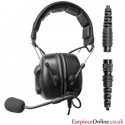
UNIVERSAL Connector Two way Radio Headset
Two way radio Headset with a hi-rose connector Multi function big control ...
-
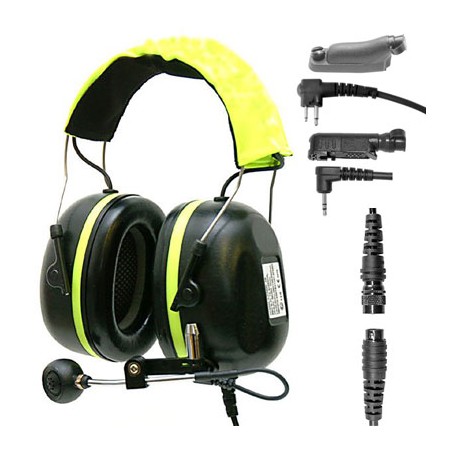
SWATCOM Universal Connector A-Kabel Two way Radio Headset
We have taken our popular A-Kabel headset and added a Universal Connector t...
-
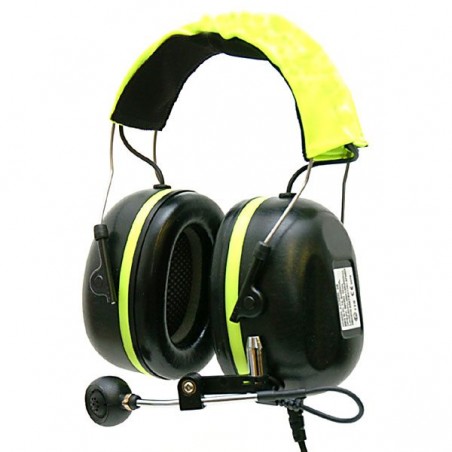
SWATCOM Passive Noise Cancelling A-Kabel Headset
In our search for the perfect headset, we found that some are better suited...
-
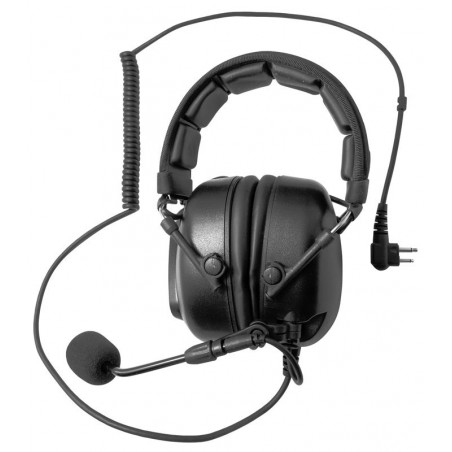
2 way radio headset
Superb quality Multi function big control panel PTT button (Push-To-Talk) ...
