
- There are no more items in your cart
- Shipping
- Total £0.00

When your mobile phone shows "no signal" and traditional communication methods fail, walkie-talkies emerge as reliable alternatives. But can these devices truly function without depending on cellular networks or internet connections? The answer is yes—walkie-talkies operate independently of conventional signals, making them invaluable tools for emergencies, outdoor adventures, and professional use.
Understanding how walkie-talkies work without external networks can help you make informed decisions about emergency preparedness and communication needs. This comprehensive guide explores the technology behind these devices, their capabilities, and practical applications when traditional communication infrastructure is unavailable.
How Walkie-Talkies Work
Walkie-talkies function on a fundamentally different principle than smartphones or landlines. These devices are transceivers—they can both transmit and receive radio signals directly between units without requiring cellular towers, internet connections, or centralised networks.
The process is straightforward: when you press the "talk" button, your voice converts into radio waves transmitted on specific frequencies. Any walkie-talkie tuned to the same frequency within range receives these signals and converts them back into audible sound. This direct communication method operates on radio frequencies typically ranging from 136-174 MHz or 400-500 MHz.
Unlike mobile phones that rely on complex network infrastructure, walkie-talkies create a direct communication link between devices. This independence from external systems makes them particularly valuable when natural disasters damage cellular towers or power outages affect communication networks.
Independence from External Networks
The key advantage of walkie-talkies lies in their complete independence from cellular networks and internet infrastructure. Mobile phones require functioning cell towers to connect calls and transmit data, making them vulnerable when these systems fail during emergencies or in remote locations.
Walkie-talkies bypass this limitation entirely. They don't need cellular coverage, Wi-Fi networks, or operational infrastructure beyond the devices themselves. This makes them exceptionally reliable in areas where mobile phone coverage is poor or non-existent, such as remote wilderness areas, underground locations, or during widespread power outages.
Emergency services, construction teams, and outdoor enthusiasts frequently rely on walkie-talkies precisely because they maintain communication capabilities when other systems fail. During natural disasters like hurricanes, earthquakes, or floods, walkie-talkies often remain functional even when cellular networks become overwhelmed or damaged.
Factors Affecting Range and Performance
While walkie-talkies work without signals, their effectiveness depends on several physical factors that influence communication range and clarity.
Terrain and Environmental Obstacles
Dense forests, urban environments with tall buildings, and mountainous terrain can significantly impact walkie-talkie performance. Radio waves travel in straight lines, so physical obstructions reduce effective range. Open areas with minimal obstacles provide optimal conditions, potentially allowing communication over several miles.
Urban environments present particular challenges due to radio frequency interference from buildings, electronic devices, and other radio transmissions. Hills and valleys can create dead zones where communication becomes difficult or impossible.
Device Power and Quality
Higher-powered walkie-talkies generally offer extended range compared to basic consumer models. Professional-grade devices often feature more powerful transmitters, better antennas, and improved sensitivity, resulting in clearer communication over longer distances.
Consumer-grade Family Radio Service (FRS) radios typically provide reliable communication within a few hundred metres to several kilometres, depending on conditions. General Mobile Radio Service (GMRS) radios offer more power and extended range, potentially reaching 20-30 kilometres in ideal conditions.
Modern Walkie-Talkie Apps and Offline Functionality
Smartphone applications like Zello, Voxer, and Two Way have popularised walkie-talkie functionality on mobile devices. However, most of these apps require internet connectivity to function, limiting their usefulness when cellular or Wi-Fi networks are unavailable.
Some innovative apps have introduced offline capabilities using Bluetooth or Wi-Fi Direct technology. These features enable direct device-to-device communication without internet connections, though range is typically limited to a few hundred metres.
While app-based solutions offer convenience for everyday use, dedicated walkie-talkie hardware remains superior for emergency situations and professional applications where reliability and extended range are crucial.
Emergency Applications
Walkie-talkies prove invaluable during emergency situations when reliable communication becomes critical for safety and coordination.
Natural disasters frequently disable cellular networks due to power outages, damaged infrastructure, or network congestion. During such events, walkie-talkies provide essential communication links for emergency responders, search and rescue teams, and affected communities.
Hurricane evacuations, earthquake response efforts, and wildfire management often rely on walkie-talkie networks to coordinate activities and maintain contact between teams. These devices allow real-time communication without depending on potentially compromised infrastructure.
Families and individuals can also benefit from including walkie-talkies in emergency preparedness kits. During extended power outages or natural disasters, these devices enable communication between family members and potentially with emergency services using designated emergency frequencies.
Understanding Licensing and Radio Types
Different walkie-talkie categories operate under varying regulatory requirements and offer different capabilities.
Family Radio Service (FRS)
FRS radios operate on designated frequencies without requiring licences. These consumer-friendly devices typically offer limited power output and shorter range but provide an accessible entry point for casual users. FRS radios are ideal for family outings, neighbourhood communication, and basic emergency preparedness.
General Mobile Radio Service (GMRS)
GMRS radios require licences but offer significantly more power and extended range compared to FRS devices. These radios can access repeater networks, potentially extending communication range to hundreds of kilometres. GMRS licences are relatively easy to obtain and don't require technical examinations.
Amateur (Ham) Radio
Amateur radio operators require licences obtained through technical examinations, but these systems offer the most flexibility and capability. Ham radios can communicate across continents using various frequency bands and transmission modes. Many amateur radio operators participate in emergency communication networks, providing backup communication during disasters.
Maximising Walkie-Talkie Effectiveness
Several strategies can improve walkie-talkie performance and reliability:
Choose appropriate devices for your intended use. Consider factors like required range, battery life, durability, and environmental conditions. Professional-grade radios offer better performance but at higher cost.
Maintain fresh batteries and carry spares, especially for emergency use. Many modern walkie-talkies offer rechargeable battery options with extended life. Some models include hand-crank or solar charging capabilities for emergency situations.
Learn proper communication protocols to maximise efficiency and minimise interference. Use clear, concise language and establish communication schedules to preserve battery life during extended use.
Staying Connected When Networks Fail
Walkie-talkies represent proven technology that continues serving critical communication needs in our connected world. Their ability to function independently of cellular networks, internet infrastructure, and external power sources makes them indispensable tools for emergency preparedness, professional applications, and outdoor activities.
While modern smartphones offer impressive capabilities, they remain vulnerable to network failures and power outages. Walkie-talkies provide a reliable backup communication method that works when other systems fail. Whether you're planning outdoor adventures, preparing for emergencies, or need reliable communication for professional use, walkie-talkies offer dependable connectivity without relying on external signals.
Consider adding quality walkie-talkies to your emergency kit or professional equipment. When traditional communication networks fail, these devices provide the reliable connection you need to stay safe and coordinated.
(2009) (2)
 Whatsapp
Related Products
-

Pack of 6 UnLicenced Two Way Radio (Kirisun DP405) with Earpiece
Discover the Kirisun DP405S, a license-free digital 446 radio with 16 pre-p...
-

Pack of 6 Licenced Two Way Radio (Kirisun DP405) with Earpiece
The Kirisun DP405 emerges as a comprehensive solution for professional comm...
-
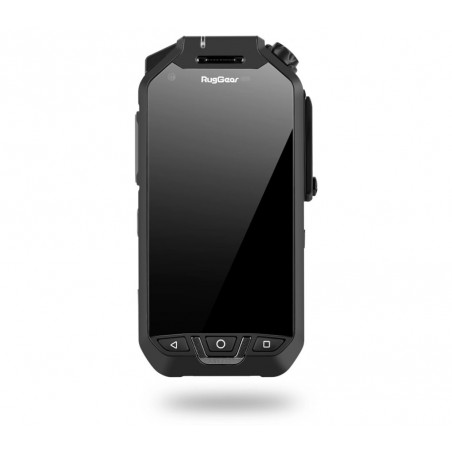
Android push to talk over cellular (RugGear RG750)
he RugGear RG750 is the ideal companion for professionals who need reliable...
-

Licenced Two Way Radio (Kirisun DP405) with Earpiece
The Kirisun DP405 emerges as a comprehensive solution for professional comm...
-

Licence Free Two Way Radio (Kirisun DP405S) with Earpiece
Discover the Kirisun DP405S, a license-free digital 446 radio with 16 pre-p...


