- There are no more items in your cart
- Shipping
- Total £0.00

Keeping your ears safe from excessive noise is more important than you might think. Prolonged exposure to loud sounds can lead to noise-induced hearing loss (NIHL), which is both permanent and preventable.
To combat this, ear defenders (also known as earmuffs) are used in workplaces, outdoor events, construction sites, and even shooting ranges to reduce exposure to unsafe noise levels.
But have you ever wondered what makes ear defenders so effective? What materials go into these noise-reducing marvels?
Here's a closer look at the components and materials that make up ear defenders and how they work to protect your hearing.
What Are Ear Defenders?
Ear defenders are a type of hearing protection designed to block or reduce the intensity of loud sounds.
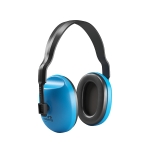
They typically consist of two ear cups connected by a headband that fits snugly over or around the head.
The goal is to create a seal around the ears while preventing harmful sound waves from penetrating to the inner ear.
While often used in industrial environments, ear defenders are also popular among hunters, musicians, and event attendees, proving their versatility in both occupational and recreational settings. Now, let's break down their core components.
Core Components of Ear Defenders
1. Outer Shell
- Material: The outer shell of the ear cups is typically made from tough thermoplastics such as ABS or, occasionally, metal.
- Function: This shell forms the first line of defence. It acts as a physical barrier, reflecting and dampening sound waves before they can reach the inner ear. Thermoplastics are favoured for their durability, impact resistance, and lightweight properties.
2. Acoustic Foam
- Material: Inside the ear cups, acoustic foam is the key component. This foam is usually made of polyurethane.
- Function: The foam absorbs sound waves by increasing air resistance and reducing their intensity. By doing so, it prevents sound from entering the ear canal at levels that could cause damage. The thickness and density of the foam are often manipulated to maximise noise reduction across a range of frequencies.
3. Ear Cushions
- Material: These are constructed from soft foam encased in vinyl or leather-like material. Advanced ear defenders may use gel-filled seals for added comfort and effectiveness.
- Function: The ear cushions not only provide comfort but also create an airtight seal against the head. This seal blocks sound leaks, ensuring proper noise reduction. Without a close fit, the effectiveness of ear defenders can be severely diminished.
4. Headband
- Material: The headband is often made of reinforced plastic or lightweight metal such as aluminium. Many modern designs include padded materials for additional comfort.
- Function: The headband holds the ear cups in place and ensures a consistent seal around the ear. Its adjustability and wearability are key to ensuring effective protection over extended periods.
Additional Materials in Ear Defenders
Some ear defenders incorporate additional materials to enhance comfort, usability, or flexibility:
- Silicone or Rubber: Commonly found in reusable earplugs, silicone or rubber ensures a snug fit for in-ear hearing protection.
- Padding Material: Soft padding around the headband reduces pressure and enhances wearer comfort during long hours of use.
Types of Ear Defenders
From traditional models to modern, tech-enhanced designs, ear defenders come in various forms:
1. Ear Muffs
These are the most widely used ear defenders. They feature the classic over-ear cup design and are suitable for a wide range of noise levels and environments.
2. Ear Plugs
Designed to fit into the ear canal, ear plugs are compact and ideal for people who need more discreet or portable hearing protection. They can be disposable (foam or silicone) or reusable with varying levels of noise reduction.
3. Electronic Ear Defenders
Equipped with advanced technology, these ear defenders offer active noise control (ANC) and allow wearers to hear ambient sounds, like conversations or alarms, while still protecting against dangerous noise levels. They’re especially popular among hunters and soldiers.
Factors to Consider When Choosing Ear Defenders
Choosing the right ear defenders involves understanding the specific requirements of the noise environment along with personal preferences. Here are key factors to keep in mind:
- Noise Level: Look for an appropriate Noise Reduction Rating (NRR) based on the decibel level of your environment.
- Purpose and Environment: Whether it's for an industrial site, shooting range, or attending a concert, different conditions demand different types of ear defenders.
- Fit and Comfort: Adjustable headbands, soft ear cushions, and lightweight designs are crucial for long-term wearability.
- Compatibility: Ensure the ear defenders can be worn comfortably with other safety equipment like helmets or safety goggles if needed.
Caring for Your Ear Defenders
To ensure longevity and consistent performance, it’s important to properly care for your ear defenders:
1. Use Them Correctly
Wear ear defenders snugly over your ears to create an effective seal.
2. Clean Regularly
Clean outer shells, ear cushions, and headbands gently using a damp cloth. For reusable earplugs, wash them often to remove any build-up of earwax or bacteria.
3. Store Properly
Keep ear defenders in a dry, cool place to prevent wear-and-tear. Use storage cases when possible.
4. Inspect Periodically
Check for wear on the cushions, cracks in the headband, or deterioration of the foam. Replace components or the entire unit as necessary.
The Importance of Quality Materials in Hearing Protection
Good ear defenders are the result of quality materials and sound engineering. Each component—from the thermoplastic shell to the acoustic foam and soft cushions—is carefully chosen and designed to deliver optimal noise reduction without sacrificing comfort or usability.
By understanding what ear defenders are made of and how they function, you can make informed decisions when it comes to protecting your hearing.
(133) (1)
 Whatsapp