
- There are no more items in your cart
- Shipping
- Total £0.00

When it comes to protecting your hearing or blocking out unwanted noise, you've probably wondered whether those sleek noise cancelling headphones can match the performance of traditional ear defenders. The short answer? It depends on what you're trying to achieve.
Both technologies serve important purposes, but they work in fundamentally different ways and excel in different situations. Understanding these differences will help you make the right choice for your specific needs, whether you're looking for workplace hearing protection or simply want some peace and quiet.
Understanding Noise Cancelling Headphones
Noise cancelling headphones use sophisticated active noise cancellation (ANC) technology to reduce unwanted ambient sounds. Here's how they work: tiny microphones built into the headphones detect incoming sound waves from your environment, then generate opposing sound waves (called anti-phase signals) that effectively cancel out the original noise.
This electronic wizardry is particularly effective against consistent, low-frequency sounds like aeroplane engines, air conditioning units, traffic rumble, and the hum of generators. The technology must be precisely calibrated—the cancellation waveform needs to perfectly align with the incoming noise when it reaches your ear.
However, ANC headphones weren't primarily designed as hearing protection devices. They're consumer electronics focused on enhancing your listening experience by reducing background noise, allowing you to enjoy music or podcasts at lower, safer volumes.
Understanding Ear Defenders
Ear defenders, also known as earmuffs, take a completely different approach. They physically block sound waves using thick ear cups filled with sound-absorbing foam and create an airtight seal around your ears. No batteries, no electronics—just solid engineering and materials science.
Unlike noise cancelling headphones, ear defenders are specifically designed and tested as Hearing Protection Devices (HPDs). They undergo rigorous testing by EPA-accredited laboratories and carry a Noise Reduction Rating (NRR) that tells you exactly how much sound reduction you can expect under laboratory conditions. This rating is your guarantee of protection against hazardous noise levels.
The NRR system measures how effectively the device reduces sound across different frequencies, with higher numbers indicating greater protection. Professional-grade ear defenders can achieve NRR ratings of 25-31 decibels.
Performance Comparison: The Numbers Don't Lie
When comparing these technologies, the frequency range makes all the difference. Testing reveals some fascinating insights about their respective strengths and weaknesses.
Low-frequency performance (40-315 Hz): Noise cancelling headphones absolutely dominate this range. High-quality ANC headphones significantly outperform even the highest-rated passive ear defenders against traffic noise, aircraft engines, HVAC systems, and bass-heavy sounds.
Mid-frequency performance (400-2500 Hz): This is where ear defenders shine. Even lightweight NRR-25 ear defenders substantially outperform noise cancelling headphones in this crucial range, which includes most human speech, barking dogs, car horns, and vacuum cleaners.
High-frequency performance (above 5000 Hz): Both technologies perform similarly well against screeching sounds, high-pitched mechanical noises, and other treble-range disturbances.
This performance difference explains why noise cancelling headphones struggle with voices and sudden sounds, whilst excelling against steady background noise.
Practical Applications: Choosing the Right Tool
The choice between noise cancelling headphones and ear defenders depends entirely on your intended use.
Choose noise cancelling headphones when:
- Travelling by plane, train, or bus
- Working in an open office with HVAC noise
- Living near busy roads or construction sites
- You want to listen to audio content at safer volumes
- Comfort during extended wear is paramount
Choose ear defenders when:
- Working in industrial environments with power tools
- Using lawn mowers or leaf blowers
- Attending shooting ranges or motorsport events
- Your workplace requires certified hearing protection
- You need reliable protection against sudden loud noises
- Budget is a primary concern
The Navy Safety and Occupational Health Manual specifically prohibits using headphones or earbuds in high-noise industrial work areas, reinforcing that ear defenders are the appropriate choice for occupational hearing protection.
Interestingly, ear defenders are finding new applications beyond industrial settings. Some teachers purchase them in bulk for students during exams, and they're increasingly popular among people with noise sensitivity or autism who need to reduce sensory overload.
Additional Considerations
Comfort and wearability: Noise cancelling headphones win hands-down for comfort. Their soft cushions and lower clamping force make them barely noticeable during extended wear. Ear defenders, designed to maintain an effective seal regardless of head movement, apply more pressure and take getting used to.
Cost considerations: Quality ear defenders represent excellent value, with effective models available from £20-50. Professional-grade noise cancelling headphones typically cost £150-400, though they offer additional features like wireless connectivity and premium audio quality.
Durability and maintenance: Ear defenders are built for harsh environments with steel-wire headbands and impact-resistant plastic cups. Noise cancelling headphones, whilst well-built, are more delicate and require battery maintenance.
Versatility: For maximum protection, you can combine earplugs with ear defenders—something impossible with headphones. This combination can provide up to 10-15 additional decibels of protection for extremely noisy environments.
Making the Right Choice for Your Hearing Health
Ear defenders and noise cancelling headphones aren't competitors—they're complementary tools designed for different purposes. If you need certified hearing protection for work or recreational activities involving hazardous noise levels, ear defenders with an appropriate NRR are your only sensible choice.
For everyday noise reduction, travel comfort, or reducing the need to increase audio volumes in noisy environments, quality noise cancelling headphones excel. Many people find both technologies valuable for different situations.
Remember that prolonged exposure to sounds above 85 decibels can cause permanent hearing damage. Whether you choose ear defenders or noise cancelling headphones, prioritising your hearing health means selecting the right protection for your specific environment and needs.
The most important step is taking action. Don't let uncertainty prevent you from protecting one of your most precious senses—your hearing.
(232) (1)
 Whatsapp
Related Products
-
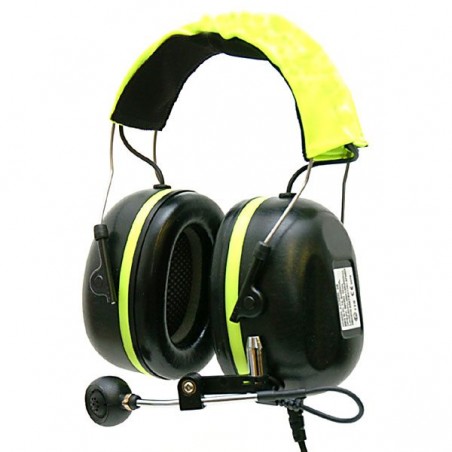
SWATCOM Passive Noise Cancelling A-Kabel Headset
In our search for the perfect headset, we found that some are better suited...
-
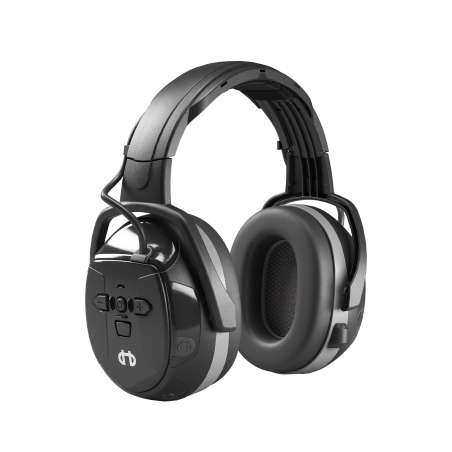
Bluetooth Ear Defenders
Key Features: Wireless Connectivity: Easily connect to your smartphone via...