- There are no more items in your cart
- Shipping
- Total £0.00
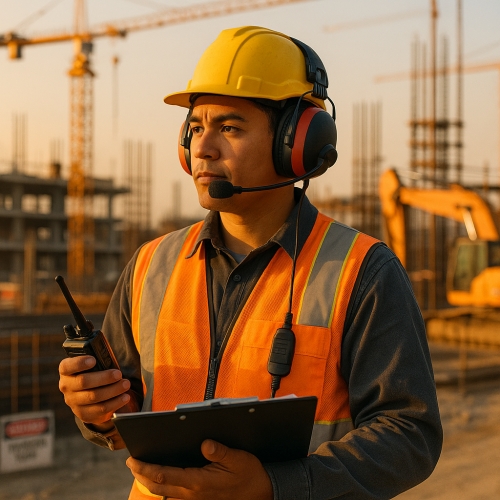
Construction sites are among the noisiest working environments, with sound levels regularly exceeding 85 decibels—the threshold where hearing damage begins. Power tools, heavy machinery, and demolition work create a constant barrage of noise that poses serious risks to workers' hearing health. Yet construction workers also need to communicate effectively with colleagues, supervisors, and equipment operators throughout their shifts.
This creates a unique challenge: how do you protect your hearing whilst maintaining clear communication on site? The solution lies in specialised headsets and ear defenders designed specifically for construction and industrial environments. These devices combine robust hearing protection with advanced communication technology, allowing workers to stay connected without compromising their safety.
The right headset or ear defender can make the difference between a productive, safe workday and potential hearing loss that affects workers for life. With noise-induced hearing loss affecting over 22 million American workers annually, choosing proper protective equipment isn't just sensible—it's essential.
Understanding Noise Levels and Regulations
Before selecting hearing protection, it's crucial to understand the regulatory framework that governs workplace noise exposure. The Occupational Safety and Health Administration (OSHA) sets strict guidelines for construction sites, establishing a permissible exposure limit (PEL) of 90 decibels averaged over an eight-hour workday.
However, many construction activities far exceed these limits. Pneumatic drills can reach 110 decibels, whilst jackhammers often produce noise levels of 100 decibels or higher. At these levels, hearing damage can occur within minutes of exposure without proper protection.
The key metric for evaluating hearing protection is the Noise Reduction Rating (NRR). This number, measured in decibels, indicates how much noise the device can block when worn correctly. For construction environments, look for devices with an NRR of at least 25 decibels, though higher ratings provide better protection in extremely noisy conditions.
Proper fit is equally important as the NRR rating. Even the highest-rated hearing protection becomes ineffective if it doesn't seal properly around or in the ears. This is why many construction companies now require fit-testing to ensure workers receive maximum protection from their chosen devices.
Types of Headsets for Construction
Modern construction headsets fall into several categories, each designed to address specific communication and protection needs. Understanding these options helps workers select the most appropriate device for their particular work environment and requirements.
Wired vs Wireless Systems
Wired headsets connect directly to two-way radios or communication devices, providing reliable connectivity without battery concerns. These systems work well for workers who remain in relatively static positions or work closely with equipment operators. The main drawbacks include limited mobility and potential cable damage from tools or machinery.
Wireless headsets offer greater freedom of movement through Bluetooth connectivity. Most modern wireless systems provide excellent range—typically 30 to 100 metres depending on environmental conditions. Battery life varies significantly between models, with premium units offering 15-20 hours of continuous use.
Communication Features
Noise-cancelling microphones are essential for clear communication in loud environments. These microphones filter out background noise while amplifying the speaker's voice, ensuring messages are heard clearly even over machinery noise. Some advanced models feature voice-activated transmission, allowing hands-free communication during critical tasks.
Many headsets also include ambient sound monitoring, which allows workers to hear important environmental sounds like reversing alarms or supervisor instructions whilst still protecting against harmful noise levels.
Types of Ear Defenders for Construction
Ear defenders, also known as earmuffs, provide excellent passive noise reduction through physical barriers that cover the entire ear. These devices are particularly effective for workers who don't require constant communication but need reliable hearing protection throughout their shifts.
Passive Noise Reduction
Standard earmuffs use foam padding and tight seals to block sound transmission. High-quality passive defenders can achieve NRR ratings of 30 decibels or higher, making them suitable for the noisiest construction environments. They're also extremely durable and require minimal maintenance beyond occasional cleaning.
Electronic Ear Defenders
Electronic earmuffs incorporate active noise cancellation technology, using microphones and speakers to counteract harmful frequencies whilst allowing speech and warning sounds to pass through. These sophisticated systems can automatically adjust protection levels based on ambient noise, providing optimal protection without complete sound isolation.
Hybrid Communication Solutions
The most advanced ear defenders integrate two-way radio communication directly into the earmuff design. These hybrid devices combine superior hearing protection with clear communication capabilities, eliminating the need for separate headsets or removing protection to use radios.
Top Headset Recommendations
3M PELTOR WS ALERT XPI
This premium wireless headset offers exceptional versatility for construction environments. The device provides level-dependent hearing protection, allowing normal conversation whilst protecting against harmful noise levels. Bluetooth connectivity enables hands-free phone calls and radio communication with a range of up to 500 metres.
Pros: Outstanding battery life (24 hours), excellent build quality, comfortable for extended wear, superior noise cancellation
Cons: Higher price point, complex setup process, may be overwhelming for basic communication needs
Howard Leight Sync Digital
Designed specifically for industrial environments, the Sync Digital combines robust construction with user-friendly operation. The headset features AM/FM radio capability alongside communication functions, helping workers stay alert during long shifts. The device provides 25 dB of noise reduction with clear audio quality.
Pros: Intuitive controls, good value for money, reliable Bluetooth connection, comfortable padding
Cons: Shorter battery life (16 hours), limited range (10 metres), basic noise cancellation compared to premium models
Honeywell Howard Leight Impact Pro
This electronic earmuff focuses on safety and communication in high-noise environments. The device amplifies low-level sounds like conversation whilst providing instant protection against harmful noise spikes. Built-in directional microphones help workers identify the source of sounds around them.
Pros: Fast reaction time to loud noises, comfortable fit, affordable price point, excellent durability
Cons: No Bluetooth connectivity, requires frequent battery changes, limited communication range
How to Choose the Right Headset or Ear Defender
Selecting appropriate hearing protection requires careful consideration of your specific work environment and communication needs. Start by assessing the typical noise levels in your workplace and identifying essential communication requirements throughout your workday.
Noise Level Assessment
Use a sound meter or smartphone app to measure noise levels in different areas of your worksite. Areas consistently above 85 decibels require hearing protection, whilst zones exceeding 100 decibels demand the highest-rated devices available. Consider peak noise levels as well as average exposure throughout your shift.
Communication Requirements
Evaluate how often you need to communicate with colleagues, supervisors, or equipment operators. Workers who require constant radio contact benefit most from integrated communication headsets, whilst those needing occasional communication might prefer standard ear defenders with the ability to temporarily reduce protection levels.
Comfort and Fit Considerations
Comfort becomes crucial during extended wear periods. Look for adjustable headbands, soft padding, and appropriate weight distribution. Many manufacturers offer different sizes or adjustable components to accommodate various head shapes and sizes. Consider trying devices before purchase when possible.
Budget and Durability
Construction environments are harsh on equipment, so prioritise durability over features you won't use regularly. A robust, basic device that lasts two years provides better value than a feature-rich unit that fails after six months. Factor in replacement part availability and warranty coverage when making your decision.
Proper Use and Maintenance
Even the best hearing protection fails if used incorrectly. Proper fitting is essential for maximum effectiveness—earmuffs should create a complete seal around both ears, with no gaps around the cushions. Hair, jewellery, or safety glasses can compromise the seal and reduce protection levels significantly.
Daily Usage Guidelines
Inspect your headset or ear defenders before each use, checking for cracks in the housing, worn padding, or damaged headbands. Clean the device according to manufacturer specifications, paying particular attention to microphone ports and charging connections. Replace batteries proactively to avoid communication failures during critical work periods.
Store your hearing protection in a clean, dry location away from extreme temperatures and direct sunlight. Many devices come with protective cases that prevent damage during transport and storage. Regular cleaning not only maintains hygiene but also extends the life of padding and electronic components.
Maintenance Schedule
Establish a weekly deep-cleaning routine using appropriate cleaning solutions that won't damage electronic components. Monthly inspections should include checking all moving parts, testing communication functions, and verifying battery charging systems. Replace worn or damaged parts immediately rather than compromising protection quality.
Protecting Your Hearing, Enhancing Your Work
Hearing protection isn't just a regulatory requirement—it's an investment in your long-term health and career sustainability. The construction industry offers numerous options for combining effective hearing protection with clear communication, from basic earmuffs to sophisticated wireless communication systems.
The key lies in matching your specific needs with the right technology level and feature set. Workers in extremely noisy environments should prioritise maximum protection ratings, whilst those requiring frequent communication benefit most from integrated radio systems and noise-cancelling microphones.
Don't wait for hearing damage to occur before taking action. Explore the options available, consider your specific work requirements, and invest in quality hearing protection today. Your future self will thank you for taking steps to preserve one of your most valuable assets—your hearing.
(59) (1)
 Whatsapp